
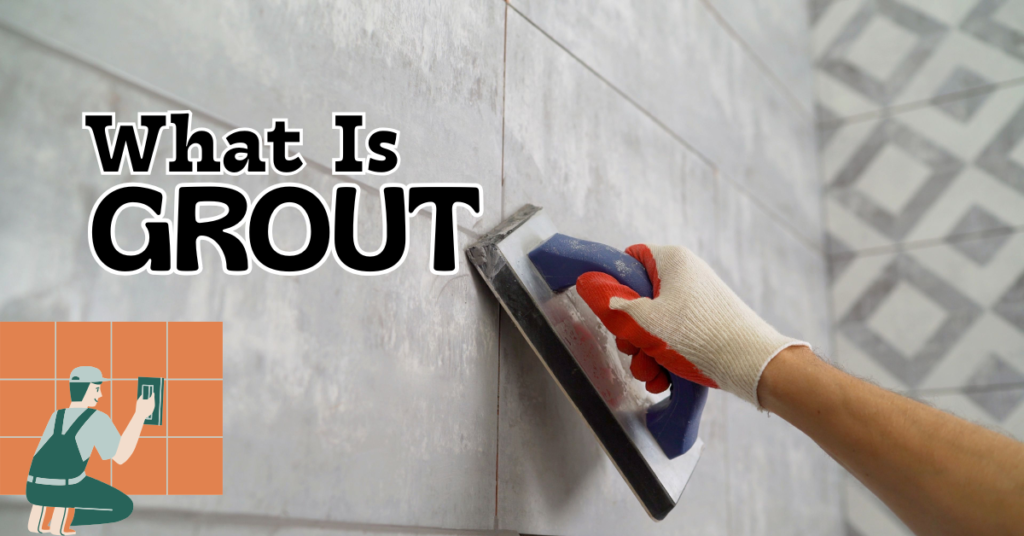
If you are planning tile work for your home or project, you may wonder what is grout and why it is important. Many people focus only on tiles and tile adhesive. However, grout plays an equally important role in tile installation. Without proper grouts, tiles may loosen, collect dirt, or allow water seepage.
In this blog, we will clearly explain what grout is, how it works, its types, and why using the right grouts matters.
What Is Grout?
Grout is a filling material used to fill the gaps between tiles after they are fixed using tile adhesive. Once applied, grouts hardens and locks tiles together. As a result, it improves both strength and appearance of tiled surfaces.
In simple words, grouts seals tile joints and gives tiles a clean, finished look. At the same time, it protects tile edges from damage.
Why Is Grouts Important?
Grouts is not used only for beauty. In fact, it performs several important functions.
First, grouts prevents water from entering tile joints. Therefore, it protects walls and floors from moisture damage.
Second, grouts holds tiles firmly in place. As a result, tiles last longer.
Moreover, grout stops dust and dirt from collecting in gaps, which makes cleaning easier.
Because of these reasons, grouts is essential for long-lasting tile installation.
What Is Grout Made Of?
Most traditional grouts contains cement, fine fillers, pigments, and additives. However, modern grout may also include polymers or epoxy resin. These ingredients improve strength, flexibility, and water resistance.
As technology improves, grouts quality has also become better and more reliable.o improve performance, flexibility, and durability.
Types of Grout Explained
To fully understand what is grout , you should also know its types.
Cement-Based Grouts
Cement-based grouts is the most commonly used option. It works well for:
- Floor tiles
- Wall tiles
- Residential projects
However, cement grouts may absorb water. Therefore, sealing is often required in wet areas.
Epoxy Grouts
Epoxy grouts is a high-performance grout. It resists water, stains, and chemicals. Because of this, it is ideal for:
- Bathrooms
- Kitchens
- Swimming pools
- Commercial areas
Although epoxy grouts costs more, it offers long-term durability.
Polymer-Modified Grouts
Polymer-modified grouts contains special additives. As a result, it provides better flexibility and crack resistance. This type suits modern tiles like vitrified tiles.
Sanded and Unsanded Grouts
- Sanded grouts works best for wide joints and floor tiles.
- Unsanded grout suits narrow joints and wall tiles where a smooth finish is needed.
Where Is Grouts Used?
Grout is used in many places, such as:
- Floor tile joints
- Wall tile joints
- Bathrooms and kitchens
- Balconies and outdoor areas
Each area may need a different type of grouts. Therefore, choosing the right one is important type of grout depending on exposure to water, chemicals, or heavy traffic.
Grout vs Tile Adhesive
Many people confuse grouts with tile adhesive. However, both serve different purposes.
Tile adhesive fixes tiles to the surface.
Grouts fills the gaps between tiles after fixing.
In other words, tile adhesive and grouts work together to complete tile installation.
Benefits of Using the Right Grout
When you choose the correct grout:
- Tiles stay firm for a long time
- Water leakage reduces
- Cleaning becomes easier
- Tile joints look neat and uniform
Therefore, good grout improves both performance and appearance..
Final Conclusion
So, grout is grout?
Grout is a vital material used to fill tile joints, strengthen tile installation, and protect surfaces from moisture and damage. Whether you use cement grouts or epoxy grout, choosing the right type ensures durable and attractive tile work.
Understanding grouts helps homeowners, builders, and contractors achieve professional results.



0 Comment