
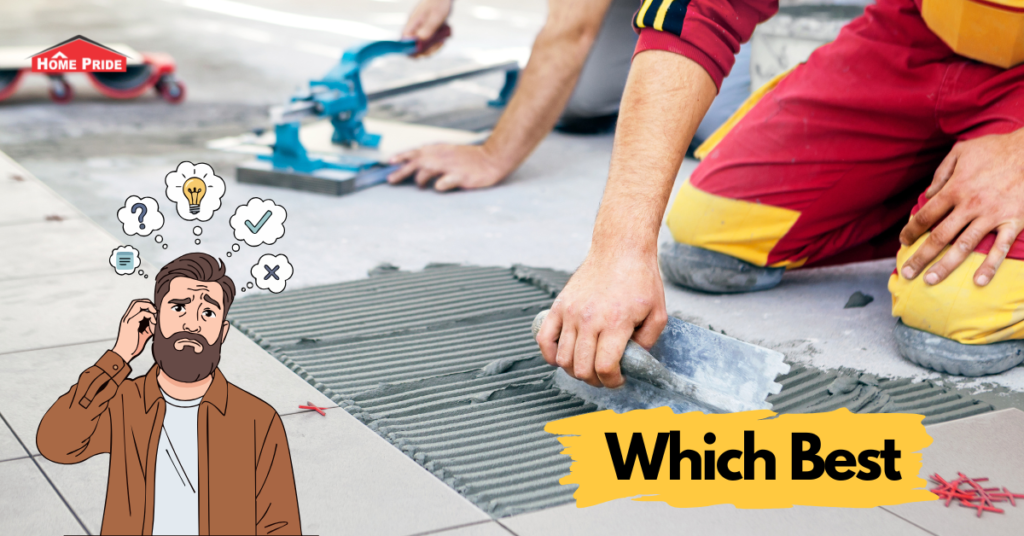
Choosing the right tile adhesive is essential for long-lasting, strong, and crack-free tile installation. Using the wrong adhesive can lead to tile debonding, hollow sounds, water seepage, and costly repairs. This guide explains how to choose the right tile adhesive for floors and walls based on tile type, surface, and application area.
Why Choosing the Right Tile Adhesive Matters
Adhesive plays a critical role in:
- Strong tile bonding
- Long-term durability
- Resistance to moisture and temperature changes
- Smooth and professional tile finish
Modern construction demands tile-specific adhesives rather than traditional cement mortar.
Identify the Type of Tile Adhesive
Different adhesive require different adhesive strength.
Common Tile Types
- Ceramic tiles
- Vitrified tiles
- Porcelain tiles
- Mosaic tiles
- Natural stone tiles
Tip: Large-format and vitrified tiles need high-performance adhesive with strong bonding strength.
Consider the Application Area
Floor Adhesive
For floors, choose an adhesive that:
- Handles heavy foot traffic
- Offers high compressive strength
- Prevents tile movement and cracks
Wall Adhesive
For walls, the adhesive should:
- Provide good grip
- Prevent tile slippage
- Be easy to apply vertically
Check Surface Type
Adhesives vary based on the surface:
- Cement plastered walls
- Concrete floors
- Existing tile surfaces
- Gypsum or plaster boards
Ensure the adhesive is compatible with the base surface for maximum bonding.
Choose Based on Location (Interior or Exterior)
Interior Areas
- Living rooms
- Bedrooms
- Kitchens
Standard adhesive works well for dry areas.
Wet & Exterior Areas
- Bathrooms
- Balconies
- Terraces
Use water-resistant and flexible adhesive to handle moisture and weather conditions.
Consider Tile Size and Weight
- Small tiles → standard adhesive
- Large tiles → high-bond tile adhesive
- Heavy stone tiles → polymer-modified adhesive
Larger tiles need better adhesive coverage to avoid hollow spaces.
Ready-Mix vs Site-Mixed Mortar
Why Ready-Mix Adhesive Is Better
- Consistent quality
- Faster application
- Reduced material wastage
- Better bonding strength
Cement mortar often leads to uneven bonding and long-term failures.
Follow Manufacturer Recommendations
Always check:
- Open time
- Pot life
- Coverage area
- Recommended tile type
Using the right adhesive as per guidelines ensures best performance and warranty compliance.
Common Mistakes to Avoid
- Using floor adhesive on walls
- Applying adhesive on dusty or wet surfaces
- Choosing cement mortar for vitrified tiles
- Incorrect water mixing ratio
Avoiding these mistakes improves tile life and finish.
Final Thoughts
Choosing the right tile adhesive for floors and walls ensures strong bonding, long-lasting tiles, and superior finish quality. By considering tile type, surface, location, and usage, you can avoid future problems and ensure professional-grade results.
For modern construction, tile adhesive is the smart and reliable choice.



0 Comment