
How to Remove Hard Water Stains from Taps and Bathroom Fittings
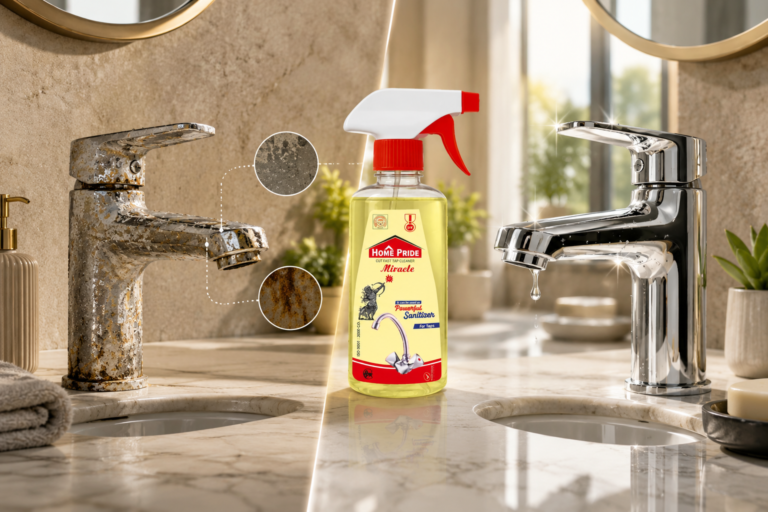
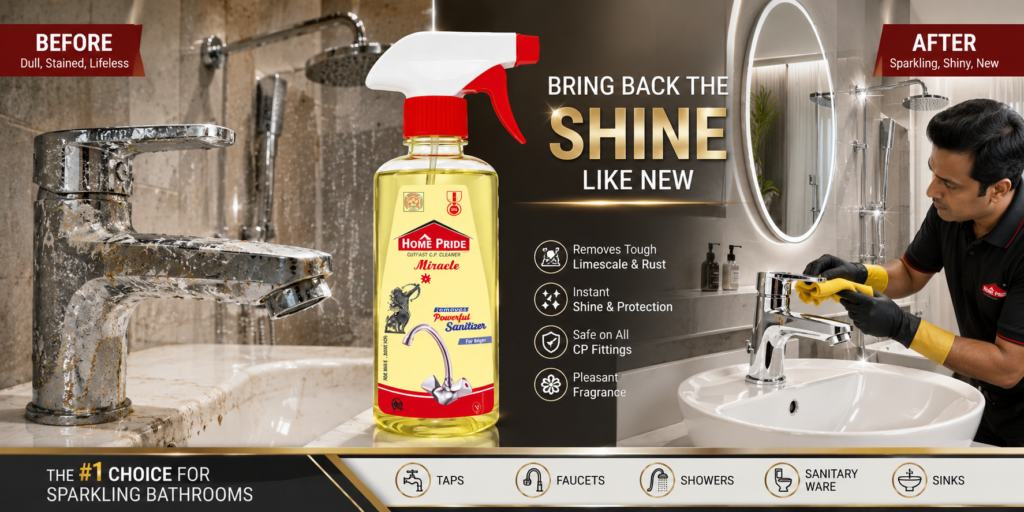
Hard water stains on taps, faucets, shower heads, and bathroom fittings are a common problem in homes, hotels, offices, and commercial buildings. Over time, minerals such as calcium and magnesium present in hard water accumulate on surfaces, leaving behind white marks, scaling, and dull deposits that reduce the appearance of chrome-plated fittings.
Fortunately, these stains can be removed effectively with the right cleaning methods and maintenance routine.
What Causes Hard Water Stains on Taps?
Hard water contains dissolved minerals that remain on surfaces after water evaporates. As these minerals build up, they form:
- White chalky deposits
- Water spots and marks
- Limescale buildup
- Hard scaling
- Dull and faded chrome surfaces
Areas with frequent water exposure, such as bathroom taps, kitchen faucets, shower mixers, and wash basin fittings, are especially vulnerable.
Signs of Hard Water Scaling
You may notice:
- White stains around taps and faucets
- Rough deposits on chrome fittings
- Reduced shine on bathroom accessories
- Stubborn water marks that do not disappear with regular cleaning
- Limescale around joints and water outlets
If ignored for long periods, these deposits can become difficult to remove and may affect the appearance of sanitary fittings.
How to Remove Hard Water Stains from Taps
1. Clean the Surface First
Remove dust, soap residue, and loose dirt using a soft cloth and clean water. This prepares the surface for stain removal.
2. Apply a Dedicated Tap Cleaner
A professional tap cleaner is specifically formulated to break down hard water deposits, scaling, and water marks without damaging chrome-plated surfaces.
Apply the cleaner according to the manufacturer’s instructions and allow it to work on the stains for the recommended time.
3. Gently Wipe the Surface
Use a soft sponge or microfiber cloth to loosen and remove deposits. Avoid abrasive pads that may scratch chrome finishes.
4. Rinse Thoroughly
Wash the cleaned area with clean water to remove any remaining residue.
5. Dry the Surface
Dry the fitting with a clean cloth to restore shine and prevent new water spots from forming.
Why Hard Water Stains Keep Returning
Hard water stains reappear because mineral-rich water continuously comes into contact with bathroom and kitchen fittings. Regular maintenance is important to prevent heavy scaling.
To reduce buildup:
- Wipe taps dry after use
- Clean fittings regularly
- Remove deposits before they become thick and stubborn
- Use suitable cleaning products designed for chrome-plated surfaces
Benefits of Using a Professional Tap Cleaner
A dedicated tap cleaner provides several advantages:
- Removes hard water stains effectively
- Dissolves limescale deposits
- Restores shine to chrome fittings
- Improves the appearance of bathrooms and kitchens
- Reduces cleaning effort
- Helps maintain sanitary ware for longer periods
- Fast-acting and easy to use
Where Can Tap Cleaner Be Used?
Professional tap cleaners can be used on:
- Bathroom taps
- Kitchen faucets
- Wash basin fittings
- Shower fittings
- Chrome-plated accessories
- Sanitary ware
- Water outlets and fixtures
Always verify product compatibility before application.
Frequently Asked Questions
What are hard water stains?
Hard water stains are mineral deposits left behind when water containing calcium and magnesium evaporates from a surface.
Can hard water stains damage taps?
While they may not immediately damage fittings, heavy scaling can affect appearance and become increasingly difficult to remove.
How often should taps be cleaned?
Regular cleaning every few weeks helps prevent excessive limescale buildup and keeps fittings looking clean and polished.
What is the best way to remove limescale from taps?
Using a dedicated tap cleaner designed for hard water stains and scaling is one of the most effective solutions for restoring shine and cleanliness.
Can tap cleaner restore chrome shine?
Yes. Quality tap cleaners help remove stains, water marks, and scaling that make chrome surfaces appear dull, helping restore their original shine.
Conclusion
Hard water stains, limescale, and scaling are common issues that affect the appearance of taps and sanitary fittings. Regular maintenance and the use of a suitable tap cleaner can help remove stubborn deposits, restore chrome shine, and keep bathrooms and kitchens looking clean and well-maintained.
For long-lasting results, clean fittings regularly and address hard water deposits before they become heavily accumulated.



0 Comment