
How to Stop Water Seepage in Walls Permanently – Complete Guide for Homeowners
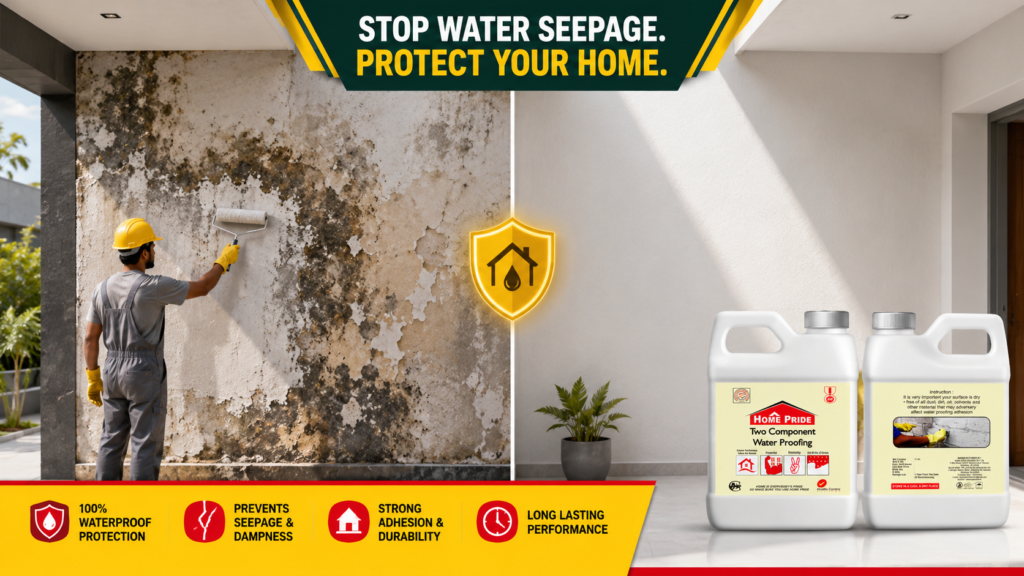
How to Stop Water Seepage in Walls Permanently?
Wall seepage is one of the most common problems faced by homeowners, especially during the monsoon season. Water entering through walls can cause damp patches, peeling paint, mold growth, and even structural damage. The good news is that wall seepage can be permanently controlled with proper waterproofing and preventive measures.
If you notice damp spots, musty odors, or paint bubbles on your walls, it is important to address the issue before it becomes a costly repair.
What Causes Water Seepage in Walls?
Understanding the root cause is the first step toward finding a permanent solution.
Common Causes of Wall Seepage
- Cracks in external walls
- Poor waterproofing during construction
- Roof leakage
- Broken plumbing pipes
- Damaged tile joints in bathrooms
- Poor drainage systems
- Excessive moisture exposure
Water can enter walls through even the smallest cracks, gradually weakening the structure over time.
Signs of Wall Seepage
Many homeowners ignore the early warning signs.
Look for:
- Damp patches on walls
- Peeling paint
- Mold and mildew growth
- Musty smell
- Efflorescence (white powdery deposits)
- Cracks in plaster
Early detection can prevent major repair costs.
Permanent Solutions for Wall Seepage
1. Identify the Source of Leakage
Before applying any treatment, locate the exact source of water intrusion.
Check:
- Roofs
- Bathrooms
- External walls
- Plumbing lines
- Window frames
Fixing the source is essential for long-term protection.
2. Repair Cracks Immediately
Wall cracks provide an easy path for water penetration.
Use:
- Crack fillers
- Polymer repair mortar
- Waterproof repair compounds
Proper crack repair significantly reduces future seepage risks.
3. Apply Waterproofing Chemicals
Modern waterproofing chemicals create a protective barrier that prevents water from entering the wall surface.
Benefits include:
- Improved durability
- Water resistance
- Longer wall life
- Reduced maintenance costs
This is one of the most effective long-term solutions.
4. Waterproof Exterior Walls
External walls face direct exposure to rain and weather.
Recommended methods:
- Elastomeric coatings
- Waterproof paints
- Cementitious waterproofing systems
Exterior protection helps prevent water from entering the structure.
5. Waterproof Bathrooms and Wet Areas
Bathrooms are among the most common sources of seepage.
Areas requiring waterproofing:
- Floor joints
- Tile joints
- Shower areas
- Pipe entry points
Proper waterproofing before tiling can prevent future problems.
Why Waterproofing Is Better Than Repeated Repairs
Many homeowners simply repaint damaged walls.
Unfortunately, repainting only hides the symptoms.
Professional waterproofing:
Addresses the root cause
Prevents recurring damage
Increases property value
Protects structural integrity
Reduces future repair expenses
Best Practices to Prevent Future Seepage
Regular Inspections
Inspect your property at least twice a year.
Maintain Drainage Systems
Blocked drains often contribute to water accumulation.
Seal Exterior Cracks
Even hairline cracks should be repaired promptly.
Use Quality Construction Materials
High-quality waterproofing products provide long-term protection and durability.
Frequently Asked Questions
Can wall seepage be fixed permanently?
Yes. By identifying the source of leakage, repairing cracks, and applying proper waterproofing systems, wall seepage can be permanently controlled.
What is the best waterproofing solution for walls?
Exterior waterproof coatings and high-quality waterproofing chemicals are among the most effective solutions.
Is repainting enough to stop seepage?
No. Paint only covers visible damage. Waterproofing addresses the actual cause of moisture penetration.
How much does waterproofing increase wall life?
Proper waterproofing can significantly extend the lifespan of walls and reduce maintenance costs over many years.
Conclusion
Wall seepage should never be ignored. What starts as a small damp patch can eventually lead to mold growth, structural damage, and expensive repairs. By identifying the source, repairing cracks, and using advanced waterproofing solutions, homeowners can protect their properties for years to come.
Investing in professional waterproofing is not just a repair—it is a long-term protection strategy for your home and family.



0 Comment